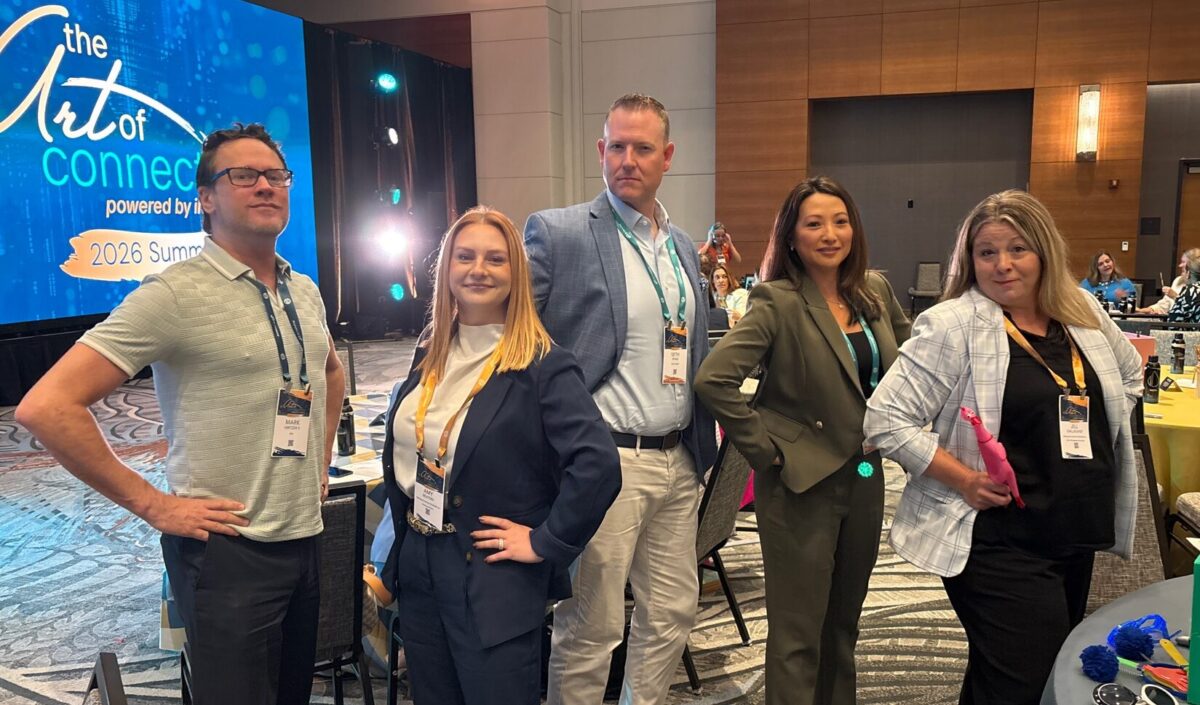
Gone are the days of traditional summits of endless slide decks and panels that feel disconnected from the work or people attending. It’s time for an upgrade! When done right, everyone can get more out of your annual gathering. A summit can be one of the most powerful tools you have to energize your team, build momentum, and drive real results. It doesn’t have to be about spending more money, it’s about changing how you design the experience from the inside out. Here’s how to transform your next summit from a passive meeting into an active business driver:
1. Passive Listeners → Active Participants
It’s difficult to design panel discussions that engage listeners. When content lacks immediate relevance, attendees often result in passive note-taking or tuning out entirely. Reversing this dynamic starts with curating sessions that directly speak to the specific challenges and interests of your audience. When it resonates on personal and professional levels, you should see attendees asking questions, debating topics, and having meaningful discussions.
To elevate the interaction between content and conversions, consider adding in gamified learning or reinforcement like our Summit Power-Up or iQuiz programs. These programs prioritize audience engagement, helping to promote valuable discussions within teams about relevant topics and survey questions. Guests will gain worthwhile networking opportunities, and planners will receive data on survey and quiz questions for insight on how your attendees view the present and future of the industry.
2. Build Collaboration Early
Setting the tone at the start of your summit is crucial. Incorporating interactive networking stations or team activities on day 1 immediately brings energy to the room and helps break the ice. Structured ice breakers and team challenges, like Team Brainium, encourage attendees to step out of their comfort zone, establish bonds, and practice group problem-solving early on. If you have a collaborative atmosphere on day one, guests become more likely to contribute openly, network across teams, and engage in workshops or breakout sessions later in your summit agenda.
3. Connect Purpose to Culture
A high-impact summit can deliver more than just strategy; it can ground corporate ambition in a shared mission. Aligning your event agenda with a clear, overarching purpose connects daily tasks to border organizational values. Corporate Social Responsibility (CSR) initiatives can help bridge corporate principles with real world impact. Hands-on activities like Give Back Bingo or One Team: Community Care Packages give guests a sense of shared accomplishment, all while building trust with their team. Having a collective effort towards something greater at your summit strengthens workplace culture, boosts morale, and leaves guests feeling prideful of their work.
4. Data. Data. And more data.
Transforming a summit from a standard gathering into a measurable business driver relies on leveraging data at every phase of the event lifecycle.
Pre-Event Data Sharing: Sharing demographic insights, job functions, and regional backgrounds with vendors and facilitators beforehand allows them to tailor their messaging, tone, and facilitation style to hit the right notes. Replacing on-size-fits-all with target experiences ensures relevancy and success within each session.
Immediate Post-Session Surveys: Collecting immediate feedback after individual workshops captures real-time sentiment while the experience is fresh, providing planners with insight on the effectiveness and impact of the presentation/presentor.
Post-Event Evaluation: Sending out a full post-event survey after the conclusion of the summit captures a balanced mix of quantitative and qualitative metrics. Qualitative data like session satisfaction ratings and completion rates helps get a sense of overall engagement. Qualitative feedback like meal reviews, vendor satisfaction, and speaker performance can reveal what worked well, and uncover opportunities for refining future events.