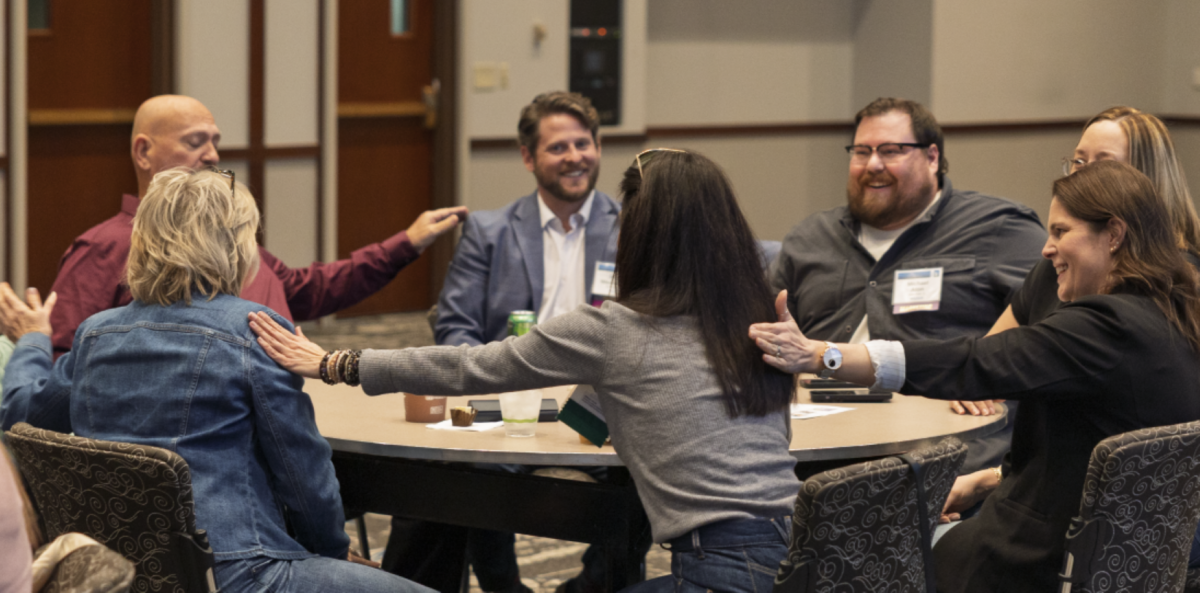
At Corporate Event Interactive, we’re seeing a major shift: people are tired of “passive” events and are craving real connection. We’re leading the way by turning Inclusion-First Design into the new industry standard, moving past basic checklists to create experiences where everyone actually belongs. By blending human behavior with smart planning, we make sure every person on your team has the space to show up and shine.
Why Inclusion-First Design Matters
Inclusion in the workplace is no longer a “nice-to-have” feature; it is a must-have. Designing company events with inclusivity in mind demonstrates respect and value for everyone involved, which opens the door for different voices to be heard and often makes for richer, more dynamic events. This intentional approach also attendee satisfaction, which then increases engagement as everyone feels included and valued.
Defining “Inclusion-First” Design
Inclusion-first design aims for 100% participation regardless of personality type. This does not mean that everyone at an event does the same thing. Instead, it is about everyone having an equal opportunity to achieve the same goal. A well-designed team, much like a well-designed event, celebrates what each person brings to the table, rather than singling out their differences.
Trends in Making Events More Accessible for Everyone
Creating a truly inclusive environment requires a coordinated effort across all levels of event production, from initial planning to venue execution. Planners are increasingly using registration forms to ask about specific needs, ensuring that accommodations are integrated into the event’s foundation rather than added as an afterthought. Providing detailed “know before you go” information further empowers guests by giving them a clear roadmap of the experience, which reduces transition anxiety and allows everyone to arrive with a solid plan. Building in breaks and wellness hours into the meeting schedule has also become a common practice in recognition of the demands of high-engagement events, acknowledging that strategic downtime is essential to prevent burnout and sustain peak participation throughout the day.
Venues are ensuring physical spaces accommodate those with mobility restrictions by maintaining ADA compliance through proper signage, wide aisles, and clear entrance and elevator access. To accommodate less visible impairments, it has become increasingly important to consider sensory experiences, quiet areas, and dietary needs.
Companies continue to highlight the importance of diversity. When all partners in event planning come together, the event should work toward this higher-level goal of inclusion. This focus on diversity is a strategic priority for modern organizations because a cognitively diverse workforce has been shown to drive higher levels of innovation, more effective problem-solving, and a stronger competitive advantage in the global market.
Putting Inclusion into Practice: Our Approach
The barriers to participation are removed when planners ensure access, foster a culture of respect, and adhere to ADA principles. Our approach to team building is built on these same principles, ensuring that the higher-level goal of inclusion is felt in every activity we produce. This is a primary reason why team building is so important in the first place; we continue to host these activities so that colleagues develop a deeper understanding of the best ways to work with each other, despite any differences.
We facilitate 100% involvement by asking teams to designate their individual roles often before they get to work. For most of us, knowing what role you should fill and what tasks you are responsible for helps us feel a sense of belonging and value on a team. We also offer a variety of activities including team challenges, “60-second” challenges, and puzzles to ensure everyone gets a turn in a way that feels natural. In practice, this ensures that no individual feels singled out for needing or preferring to participate in a certain way. Instead, it feels like everyone has a vital role to play.
Ultimately, these practices transfer back into the workplace once the meeting or conference is over. Attendees take away a greater appreciation for the different roles that make up a team and feel more confident that their own specific contributions are not overlooked. Inclusion isn’t a one-time goal, but a constant effort that we’re all a part of.